
Introduction to Netravati Peak Trek
Netravati Peak, standing tall in Karnataka’s Western Ghats, offers one of South India’s most challenging and rewarding trekking experiences. Before you embark on this adventure, it’s crucial to understand the updated 2026 regulations regarding entry fees, camera restrictions, and what’s included in your permit costs. This comprehensive guide provides accurate, current information for planning your trek.
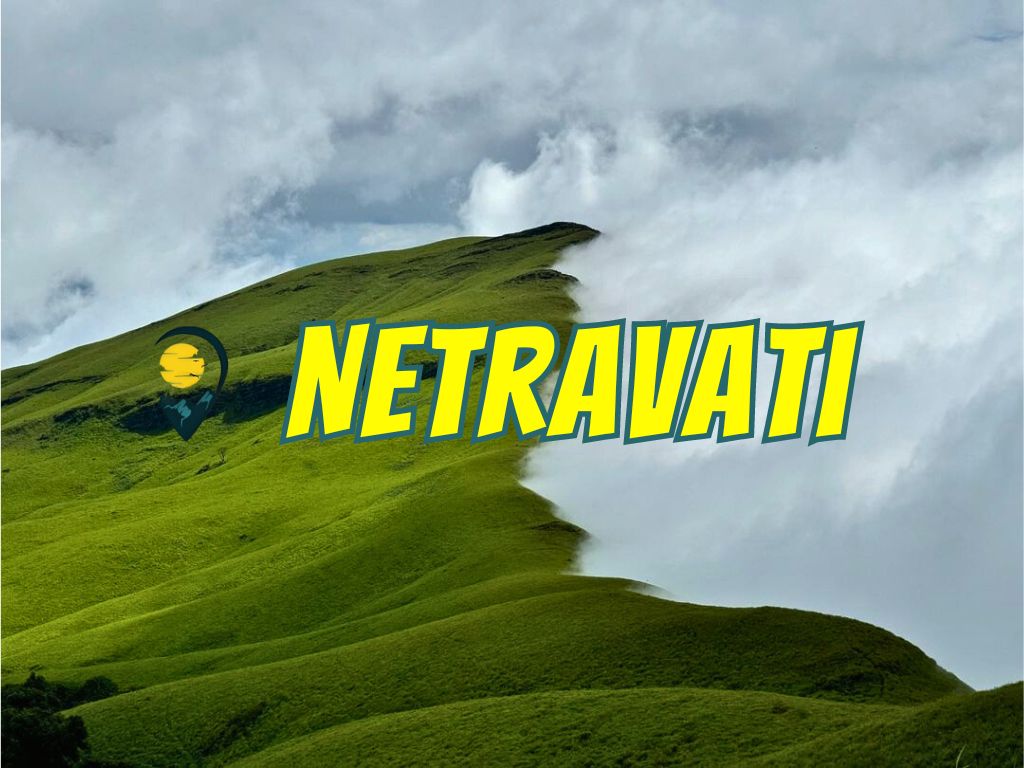
UPDATED 2026: Netravati Peak Entry Fee & Permit Details
Official Forest Permit Fees
| Category | Weekday (Mon-Fri) | Weekend/Holiday (Sat-Sun) |
|---|---|---|
| Adults (12+ years) | ₹ 500 per person | ₹ 500 per person |
| Children (5-12 years) | ₹ 400 per person | ₹ 400 per person |
| Children below 5 years | NOT PERMITTED | NOT PERMITTED |
What’s INCLUDED in Your Permit Fee
✅ Forest Guide Charges – A trained local guide is mandatory and their charges are already included in your permit fee
✅ Forest entry and conservation fees
✅ Basic administrative costs
✅ Trail maintenance contributions
What’s NOT INCLUDED
❌ Transportation to/from trek starting point
❌ Food and water during the trek
❌ Personal trekking equipment
❌ Accommodation (if staying overnight nearby)
Critical Restrictions You Must Know
⚠️ CAMERA & DRONE PROHIBITION
Important Update 2026: The Karnataka Forest Department has implemented strict regulations regarding photography equipment:
- Cameras NOT Permitted:
- No DSLR cameras
- No mirrorless cameras
- No professional photography equipment
- Basic mobile phone cameras ARE allowed for personal use only
- Drones STRICTLY Prohibited:
- Absolutely no drone flying permitted
- Violations may lead to confiscation and fines up to ₹25,000
- This protects wildlife and ensures other trekkers’ privacy
- Why These Restrictions Exist:
- Minimize disturbance to sensitive wildlife
- Prevent delays in trekking groups
- Reduce theft/loss risks in challenging terrain
- Maintain focus on safety rather than photography
- NETRAVATI PEAK ENTRY FEE
Age Regulations & Safety Considerations
Age Restrictions
- Below 5 years: Strictly not permitted (safety concerns)
- 5-12 years: Permitted but requires excellent fitness and prior trekking experience
- 12+ years: Suitable with proper preparation
Fitness Requirements
Netravati Peak is a moderate-to-difficult trek requiring:
- Good cardiovascular fitness
- Previous trekking experience
- Ability to navigate steep, rocky sections (60-70° inclines)
- Stamina for 8-10 hours of continuous trekking
Permit Application Process
Required Documents
- Government photo ID (Aadhar, Passport, or Driver’s License)
- Emergency contact information
- Signed undertaking/liability waiver
Where to Get Permits
- Primary Location: Karnataka Forest Department Office, Mudigere
- Timings: 8:00 AM to 4:00 PM
- Processing Time: 30-60 minutes (arrive early)
Group Regulations
- Maximum 15-20 trekkers per group
- Larger groups need special permission
- Guide allocation: One guide per 10-15 trekkers (included in fee)
Essential Trek Planning Guide
Best Time to Visit
| Season | Months | Conditions | Permit Availability |
|---|---|---|---|
| Ideal | Nov-Feb | Pleasant, clear skies | Book 2-3 weeks ahead |
| Good | Mar-May | Warm, less crowded | 1-2 weeks ahead |
| Avoid | Jun-Oct | Monsoon, risky | Not recommended |
Mandatory Gear Checklist
- Government ID and permit copy
- NO cameras (mobile phones allowed)
- Sturdy trekking shoes with ankle support
- 3-4 liters water per person
- Energy snacks and packed lunch
- Rain protection (poncho/raincoat)
- Basic first aid kit
- Sun protection (hat, sunscreen)
- Emergency whistle and light
Trek Itinerary (Standard)
- 6:00 AM: Start from Samse Village
- 6:00 AM – 10:00 AM: Ascend through forest section
- 10:00 AM – 12:00 PM: Grassland plateau crossing
- 12:00 PM – 1:00 PM: Summit and lunch break
- 1:00 PM – 5:00 PM: Descent back to base
Safety Protocols & Regulations
Guide System
- Included in permit fee: No additional payment required
- Local expertise: Guides know terrain, weather patterns, and emergency procedures
- Safety monitoring: Guides ensure group stays together and maintains pace
- First aid knowledge: Basic emergency response training
Emergency Procedures
- Guides carry basic first aid kits
- Emergency contact numbers provided
- Designated evacuation routes identified
- Weather monitoring throughout trek
Environmental Conservation Rules
Leave No Trace Principles
- Carry back ALL waste (including biodegradable)
- No plastic of any kind to be left behind
- Stay on marked trails only
- No collection of plants, rocks, or natural objects
- Respect wildlife – observe from distance
Why Camera Restrictions Support Conservation
- Reduces stress on sensitive wildlife
- Prevents habitat disturbance for photography
- Encourages experiencing nature directly
- Aligns with eco-tourism principles
Frequently Asked Questions (2026 Updated)
Q: Can I really not bring any camera?
A: Correct. Only mobile phone cameras are permitted for personal use. Professional cameras and equipment are prohibited to minimize disturbance and ensure safety.
Q: Is the guide fee really included?
A: Yes, the mandatory forest guide charges are fully included in your ₹500/₹400 permit fee. No additional guide payments should be requested.
Q: What happens if I bring a camera?
A: Forest officials may deny entry or confiscate equipment at the checkpoint. It’s strictly enforced.
Q: Are there any photography opportunities?
A: Yes, you can use your mobile phone for photos at designated resting points, but the focus should remain on the trekking experience rather than photography.
Q: Can I trek without a guide?
A: No. Guide is mandatory and included in your permit. Solo or unguided trekking is strictly prohibited.
Alternative Trekking Options
If you’re seeking photography-focused treks, consider these alternatives with different rules:
- Kodachadri: Cameras allowed, ₹300-400 permit
- Tadiandamol: Basic cameras allowed, ₹350 permit
- Nandi Hills: Photography-friendly, minimal restrictions
Local Community & Economy
Supporting Local Communities
Your permit fees directly benefit:
- Local guide employment and training
- Village development initiatives
- Conservation education programs
- Trail maintenance and safety improvements
Responsible Tourism Practices
- Respect local customs and traditions
- Support local homestays and eateries
- Purchase supplies from village shops
- Follow all instructions from local guides
Conclusion: Preparing for Your Netravati Adventure
NETRAVATI PEAK ENTRY FEE COMPLETE GUIDE 2026 ,Netravati Peak offers a pure, distraction-free trekking experience with its no-camera policy and all-inclusive permit system. The ₹500 fee provides excellent value when you consider the included professional guide, conservation contributions, and maintained trails.
Final Recommendations:
- Book Early: Especially for weekend slots (November-February)
- Travel Light: No camera equipment to carry
- Focus on Experience: Enjoy the natural beauty without lens barriers
- Verify Rules: Check for any last-minute updates before your trek
- Respect Regulations: Follow all guidelines for everyone’s safety and enjoyment
The restrictions might seem strict, but they preserve what makes Netravati Peak special – an authentic, immersive wilderness experience that prioritizes connection with nature over capturing it through a lens.
3 person
Can u tell me the price for three members for netravati trek